Dispatches
field notes from the frontier — the full archive
 SKILLsensible-mode: The Claude Skill That Skips the Small Talk
Sensible Mode skill strips away AI's tendency to hedge and be agreeable, instead giving you ranked options, direct arguments, and actual answers without the fluff. It's built for moments when you need a straight response—whether you're debugging code at 2am or finding out why your essay argument doesn't work—not encouragement.
 GUIDESsession-detail: A Full Record of What Actually Happened
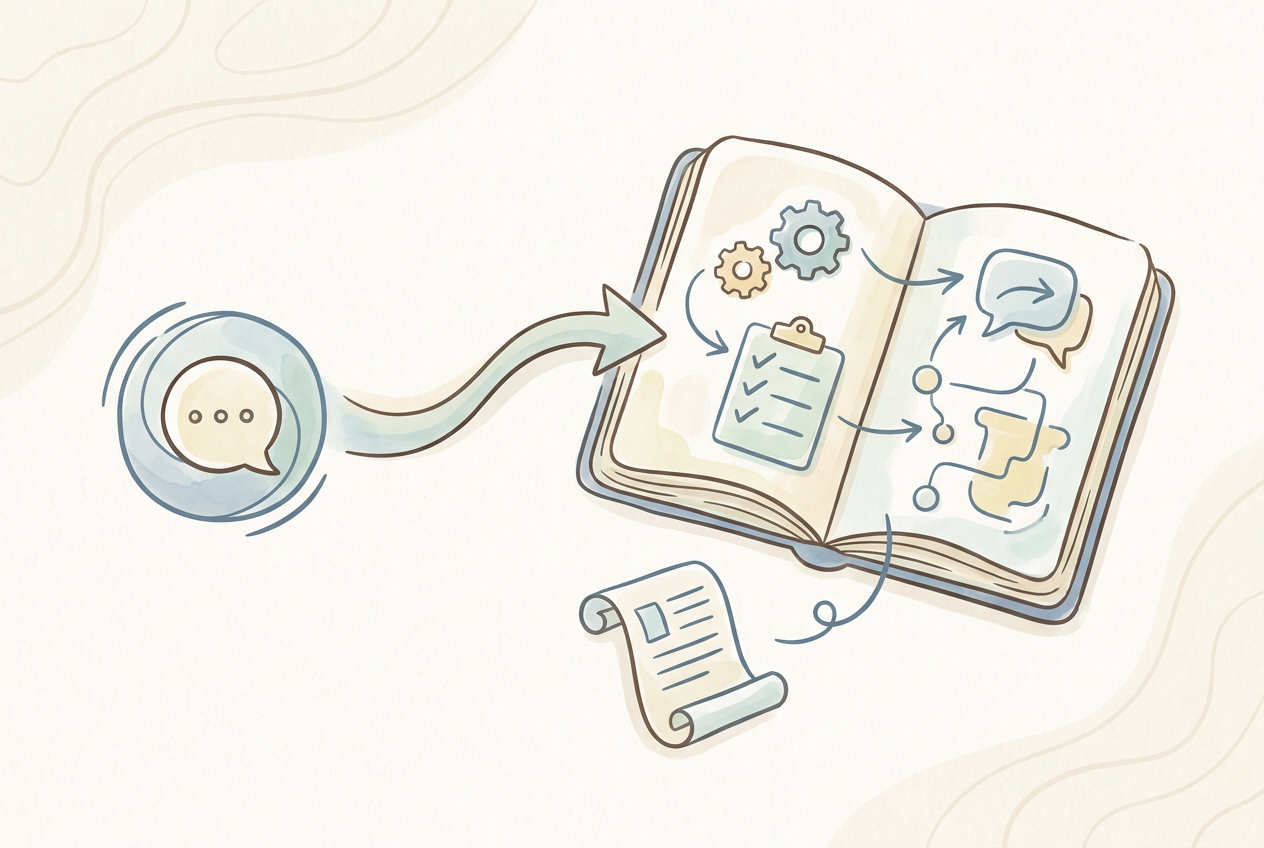
session-detail is a free tool that creates detailed, organized records of what was built, decided, and fixed in a Claude chat session, solving the problem of important project details disappearing when chats end. Recent updates improved how the tool detects earlier checkpoints, saves files efficiently, and tracks incremental changes across long sessions.
 SKILLcontext-summary: A Quick Note That Saves Your AI Chat, Not the Whole Thing
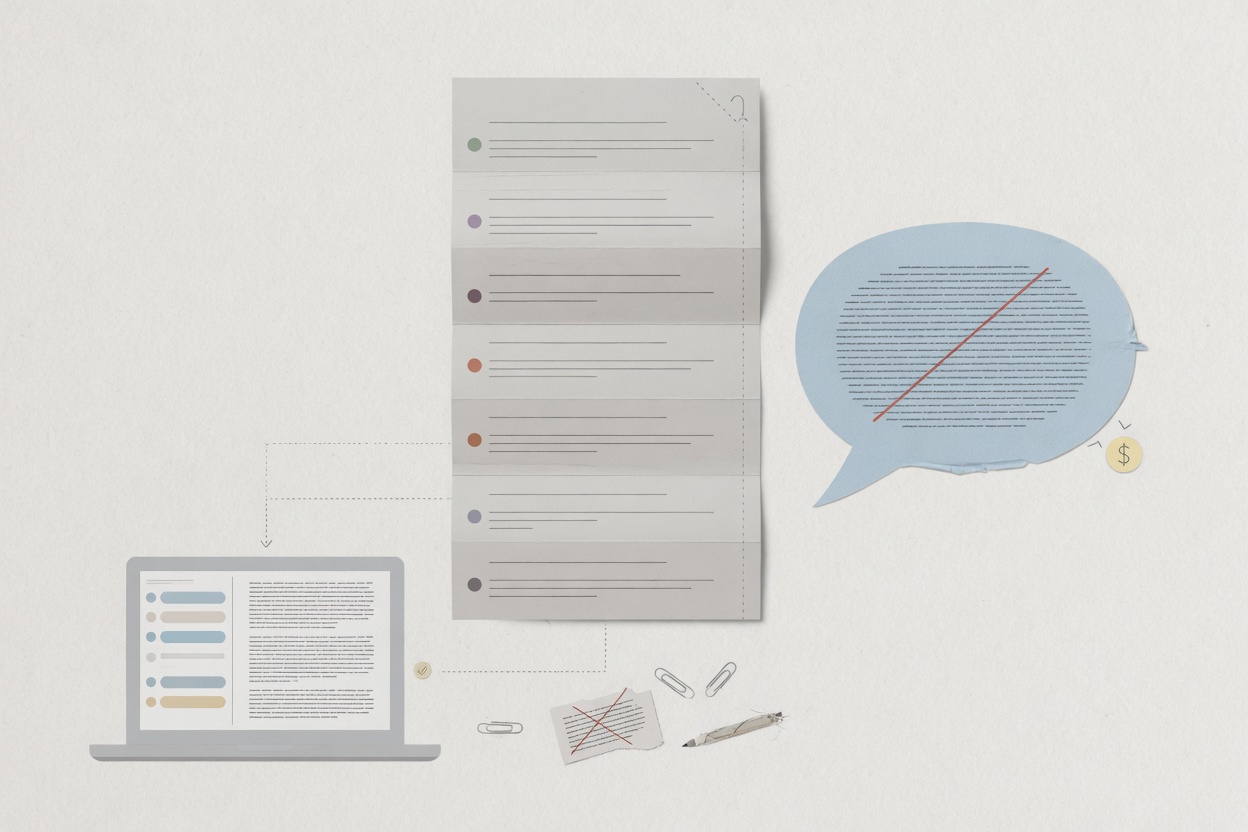
Context-summary is a free tool that condenses long AI chat histories into a compact note with seven standard sections, eliminating the need to re-explain your work while cutting the cost of repeated context processing in new conversations. The newest version fixes a critical inefficiency by shortening the note you actually paste into new chats, so the AI stops re-reading redundant information on every message.
 GUIDESAI Hallucinates Sometimes. Here's How to Spot When It Does.
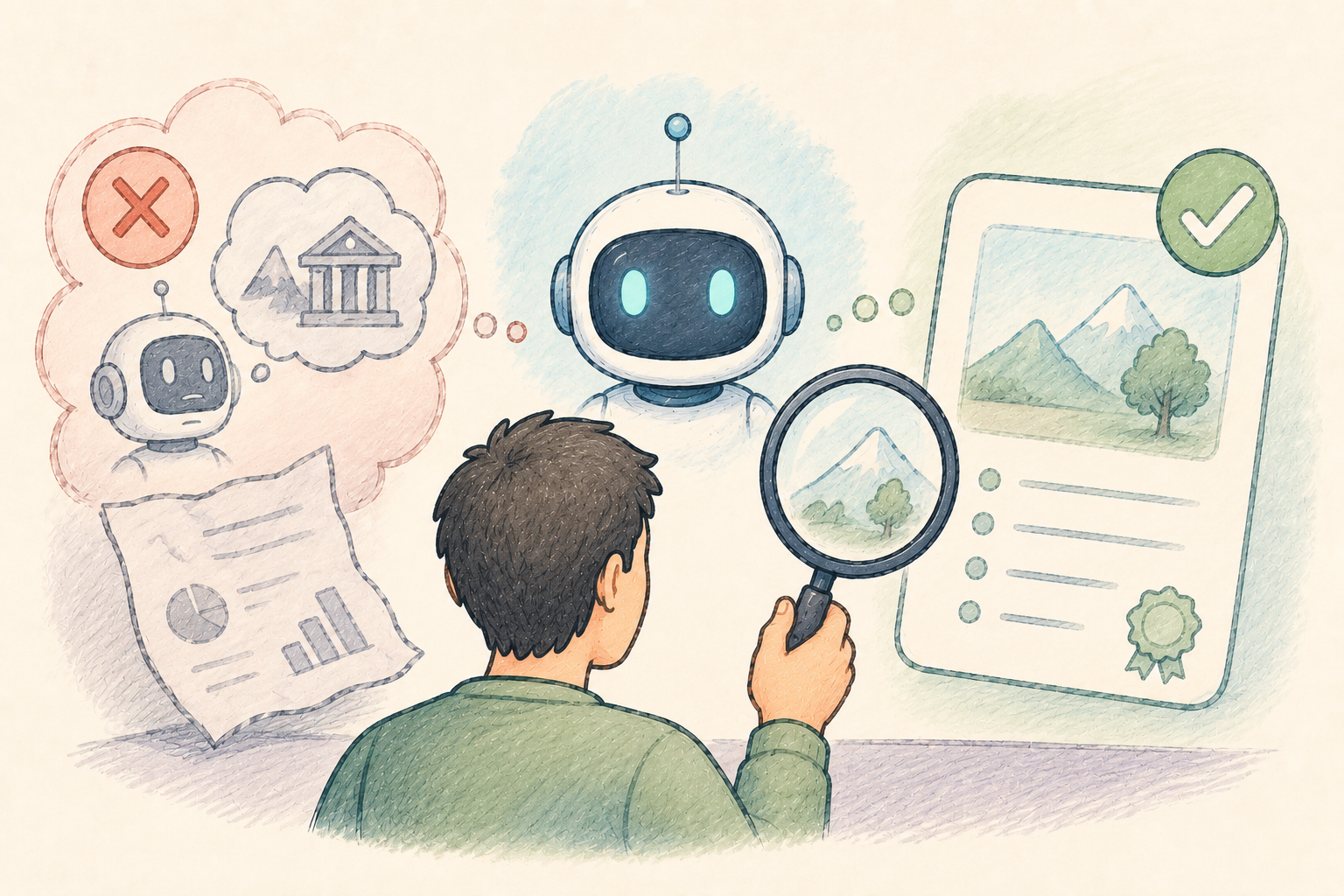
AI systems generate confident-sounding fabrications without any audible tells, but you can spot them by watching for vague attribution phrases like "research shows," suspiciously specific unsourced details, and stories that change when you rephrase the question. The real defense isn't waiting for better AI—it's developing verification habits on your end, especially for claims that matter.
 GUIDESHow to Replace Your Google Search with Claude.ai
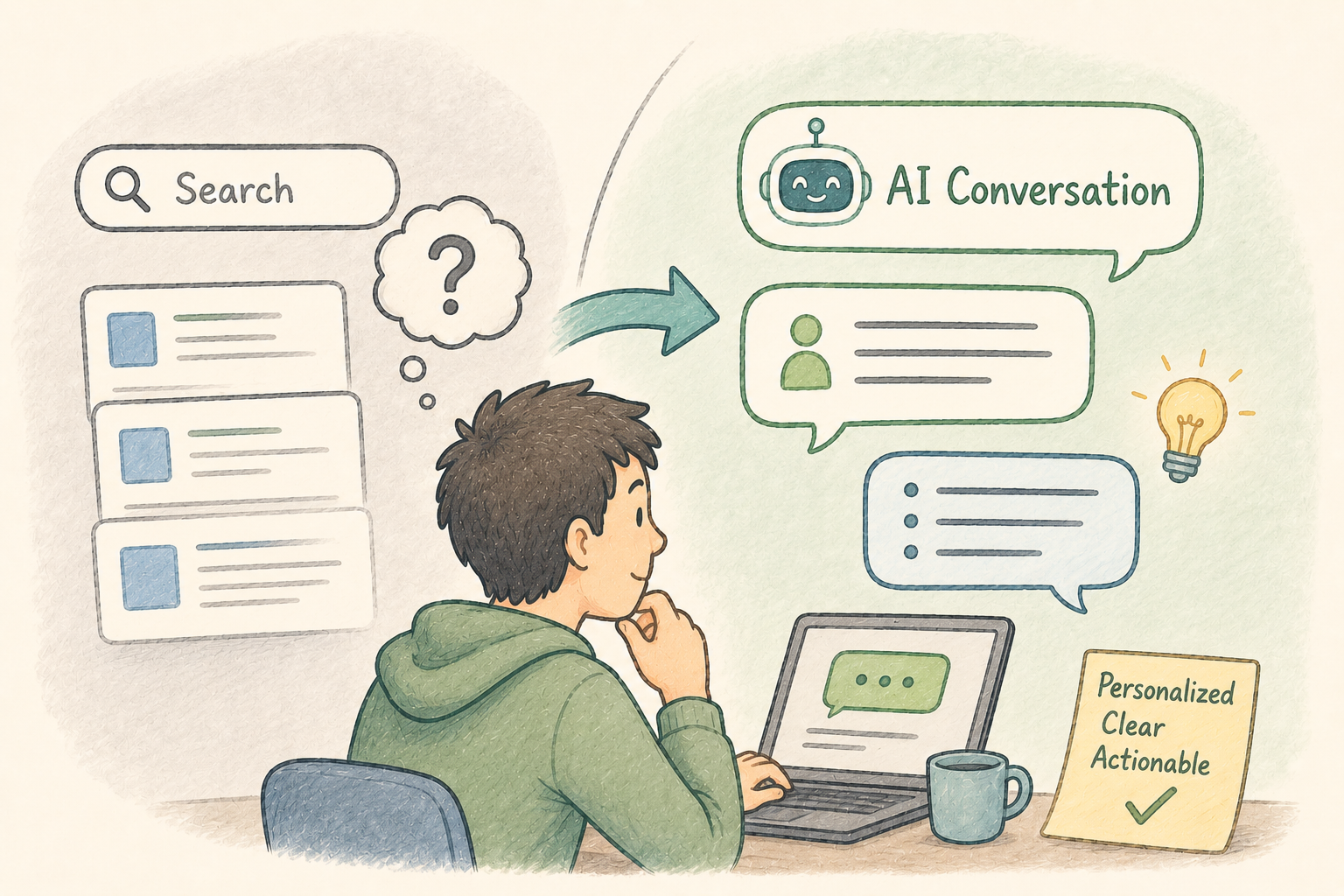
AI conversations beat Google searches for explanations because they adapt in real time to your specific confusion, while search results are generic articles written before you even asked your question. The difference isn't the answers—it's that understanding gets built through back-and-forth exchange rather than a single one-way transaction.
 GUIDESHow to Create Accurate Summaries of Long Articles, Documents, and Meeting Transcripts
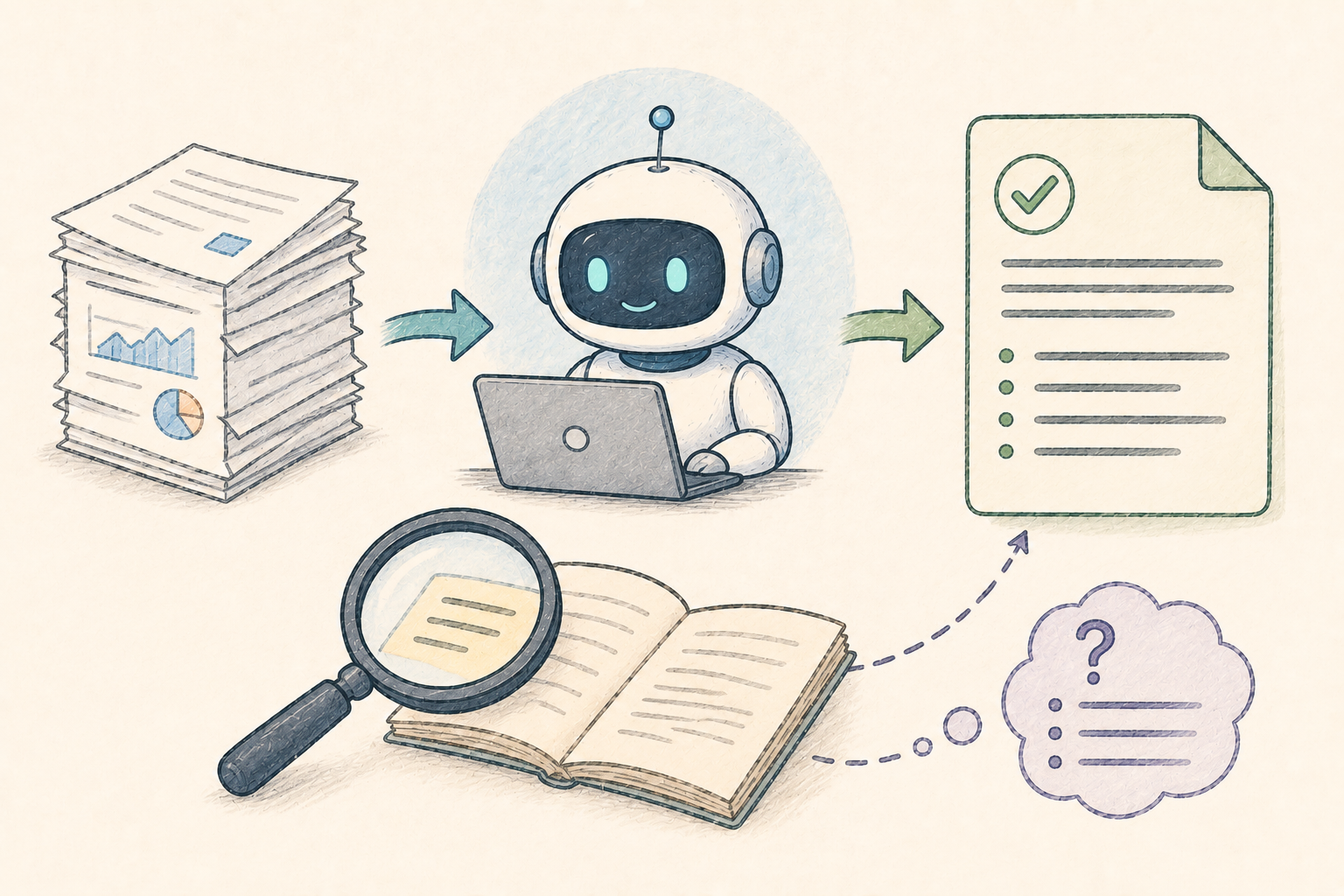
Summaries are where AI hallucinations hide best because a fabricated detail blends seamlessly into accurate points, and nobody fact-checks by reading the original 40-page contract they used AI to avoid. You can fix this by giving the model a second job after summarizing: force it to identify three ways the summary could be wrong, cite specific evidence from the source, and revise accordingly.
 LEARNWhat is AI? Do You Actually Understand It?
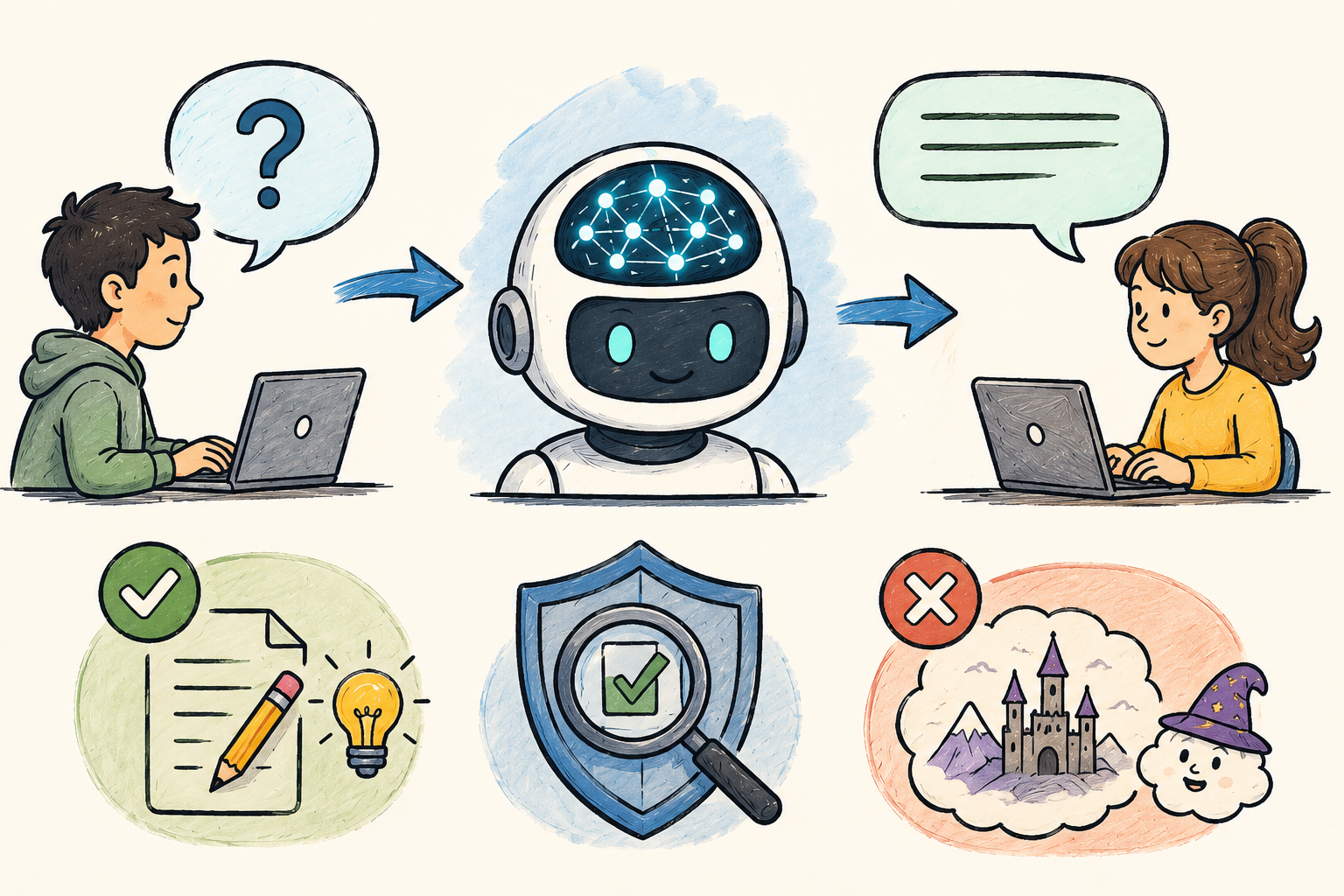
AI is sophisticated pattern-matching software that predicts text word by word rather than retrieving facts, which is why it excels at writing tasks but confidently generates false information that looks indistinguishable from correct answers. Understanding this distinction between prediction and knowledge is essential for using AI effectively without falling victim to its hallucinations.
 GUIDESHow to Write Better Prompts for Better Answers From Your Favorite AI Tool
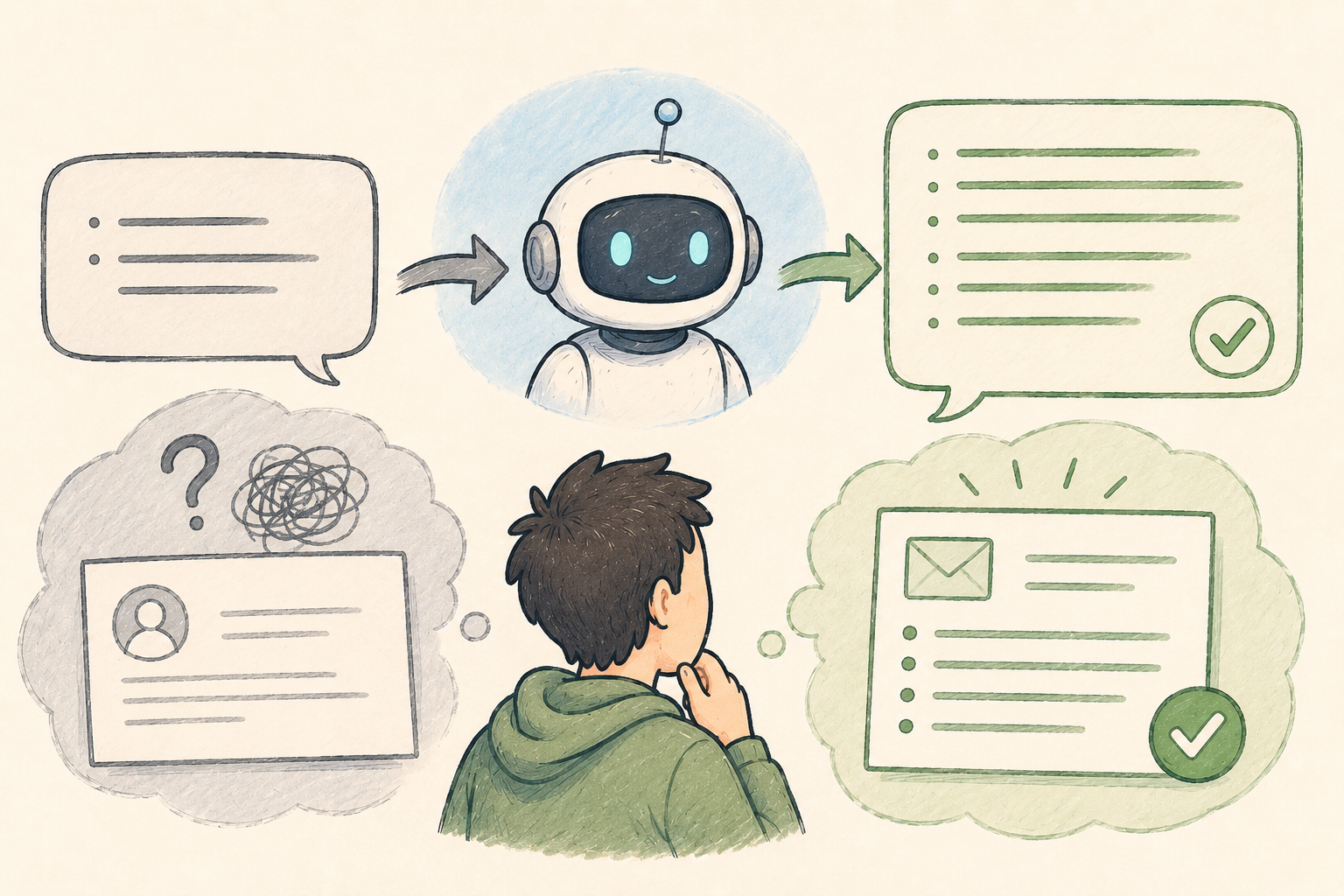
The quality of AI responses directly reflects the quality of your prompts—vague requests produce generic templates, while specific details about your situation, constraints, and desired output format generate genuinely useful answers. Rather than blaming the AI tool for bland results, invest twenty seconds typing out your actual context, the specific facts that matter, and what shape you want the response to take.
 GUIDESHow to Make AI Respond Better by Telling It What Not to Do
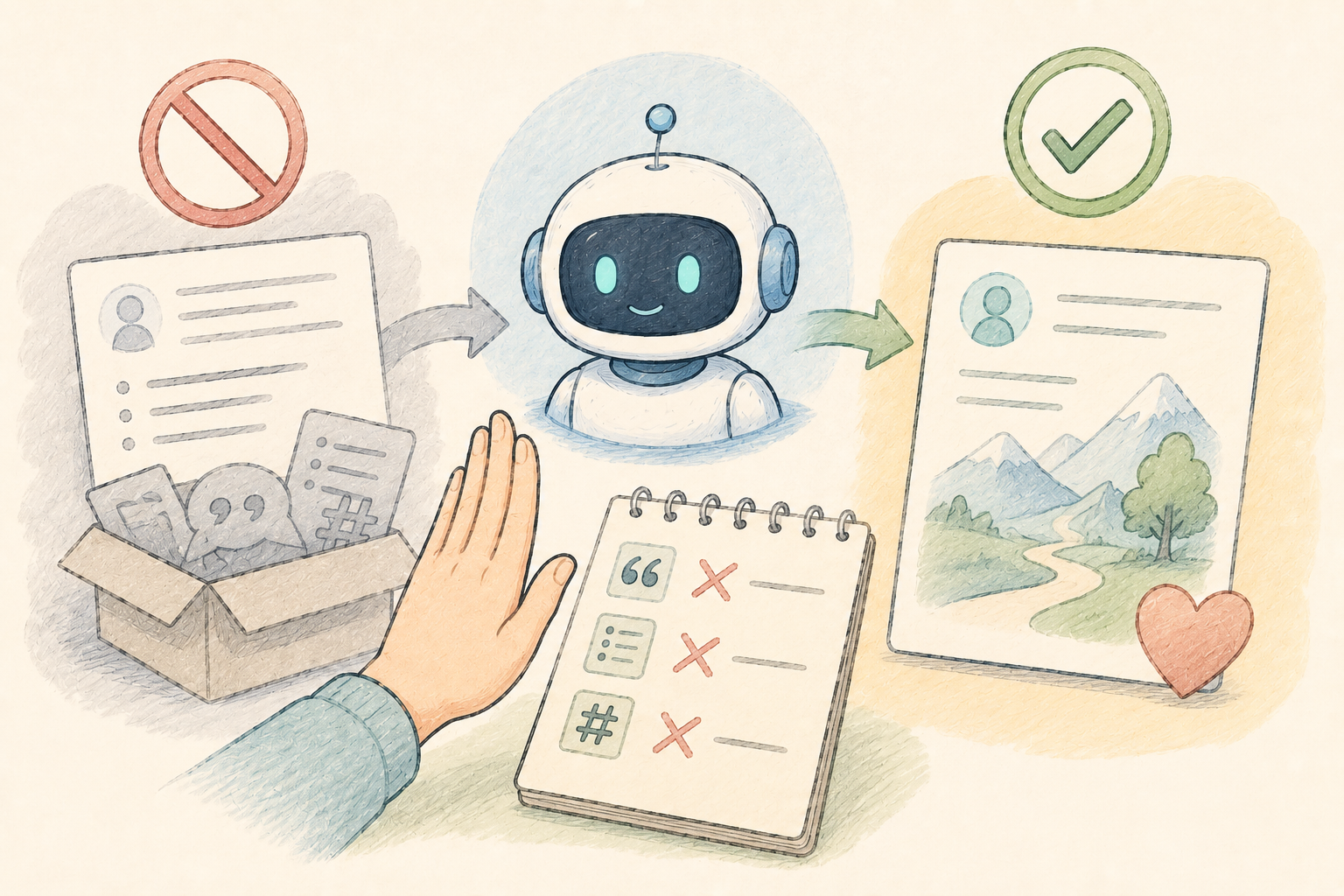
AI tools default to bland, predictable patterns from their training data, but you can get dramatically better results by identifying and explicitly banning the specific tics you dislike rather than asking for vague improvements like "make it warmer." Telling AI what NOT to do forces it away from common patterns and toward more specific, human-sounding output.
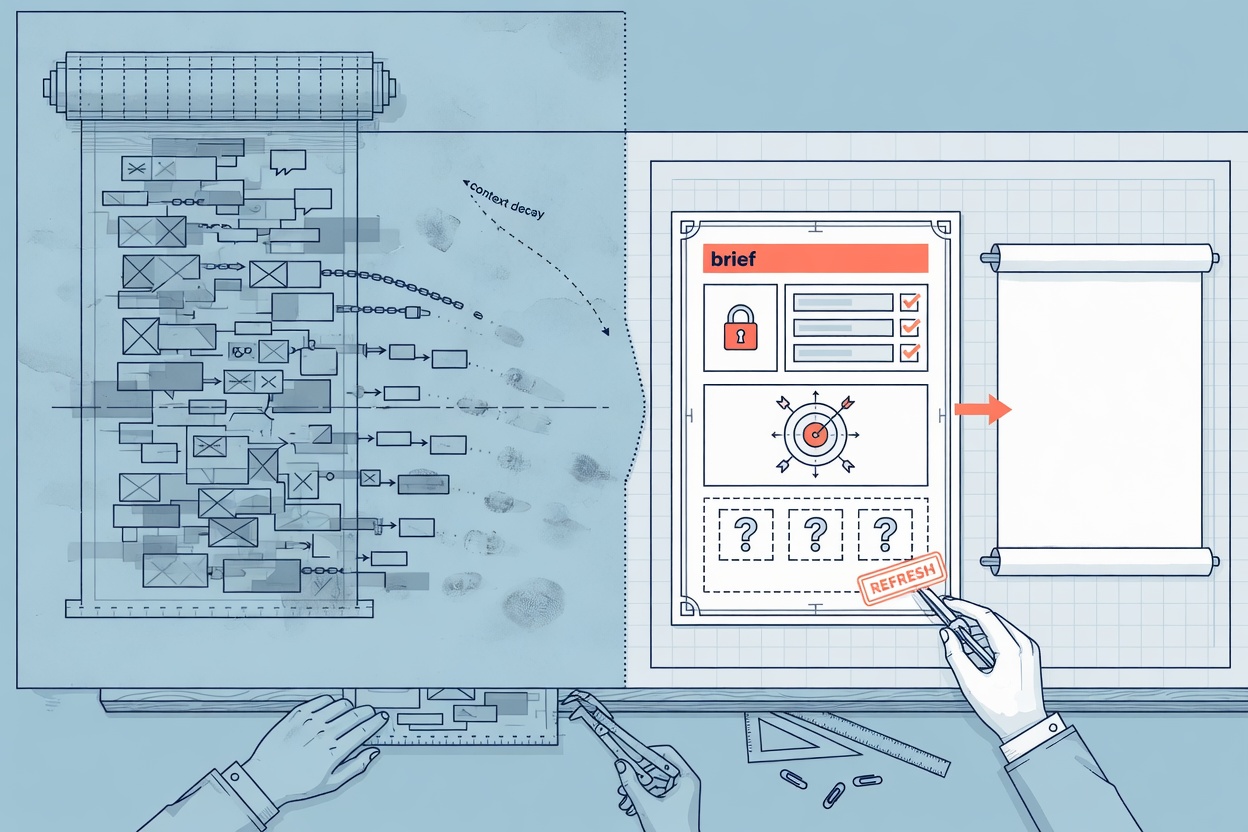 GUIDESWhat Is a Context Window and Why You Need to Keep It Refreshed
Long AI conversations gradually degrade as earlier decisions compress or fall out of the model's active consideration, but the fix is not to push harder—it's to extract a clean working brief and start fresh with a clear workbench. A well-structured brief captures current goals, locked decisions, and open questions, letting you pick up at full clarity in your next session rather than fighting through accumulated confusion.